2 cups all-purpose flour, spooned and leveled ¼ cup cane sugar 2 teaspoons baking powder ½ teaspoon sea salt 8 tablespoons unsalted butter, 1 stick, frozen for at least 1 hour ½ to 1½ cups mix-ins*, such as berries, dried fruit, or chocolate chips, optional ½ cup cold buttermilk*, or heavy cream, plus more for brushing 1 large egg 1 teaspoon vanilla extract, optional Coarse sugar, for sprinkling
1. Line a large baking sheet with parchment paper. 2. In a large bowl, whisk together the flour, sugar, baking powder, and salt. 3. On the large holes of a box grater, grate the frozen butter. Add to the flour mixture and toss to coat. Use your hands to work the butter into the flour until the mixture resembles a coarse meal. Add desired mix-ins and toss to incorporate. 4. In a medium bowl, whisk together the buttermilk, egg, and vanilla, if using. Pour over the flour mixture and use a spatula to mix until a shaggy dough forms. Knead with your hands to incorporate any remaining dry flour. The dough should feel soft but not sticky. If it is sticky, work in a bit more flour. If it is dry, drizzle in a little more buttermilk. Form the dough into a ball. 5. Transfer the dough ball to a lightly floured surface and form it into a 7- to 8-inch disk about 1 inch thick. Slice into 8 equal wedges and transfer to the prepared baking sheet, leaving a little space around each scone. 6. Freeze the scones for 15 minutes. Meanwhile, preheat the oven to 400°F. 7. Remove the scones from the freezer and brush with buttermilk. Sprinkle with coarse sugar, if using. Bake for 18 to 27 minutes, or until golden brown on top. 8. Transfer to a wire rack to cool.
https://www.loveandlemons.com/scones-recipe/
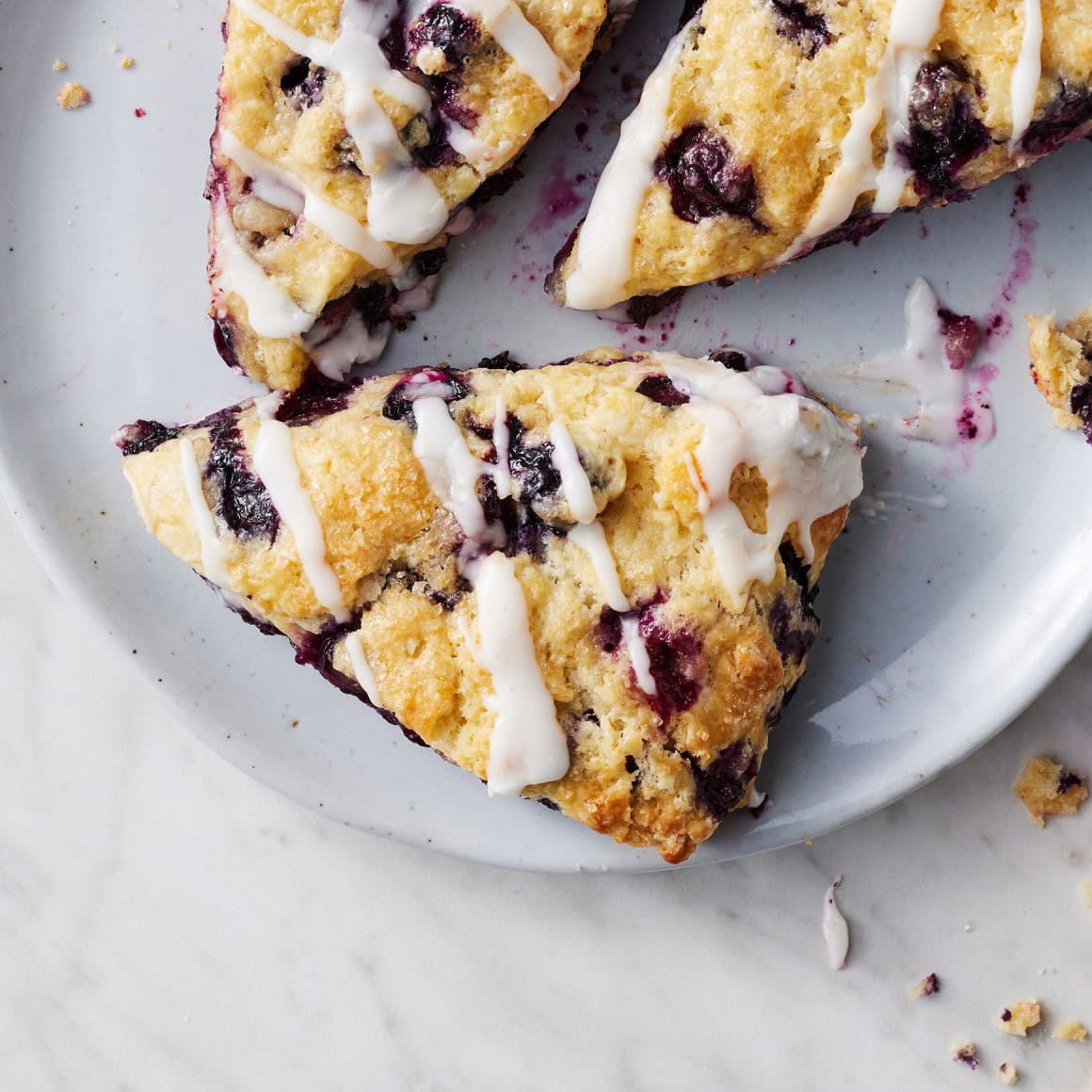
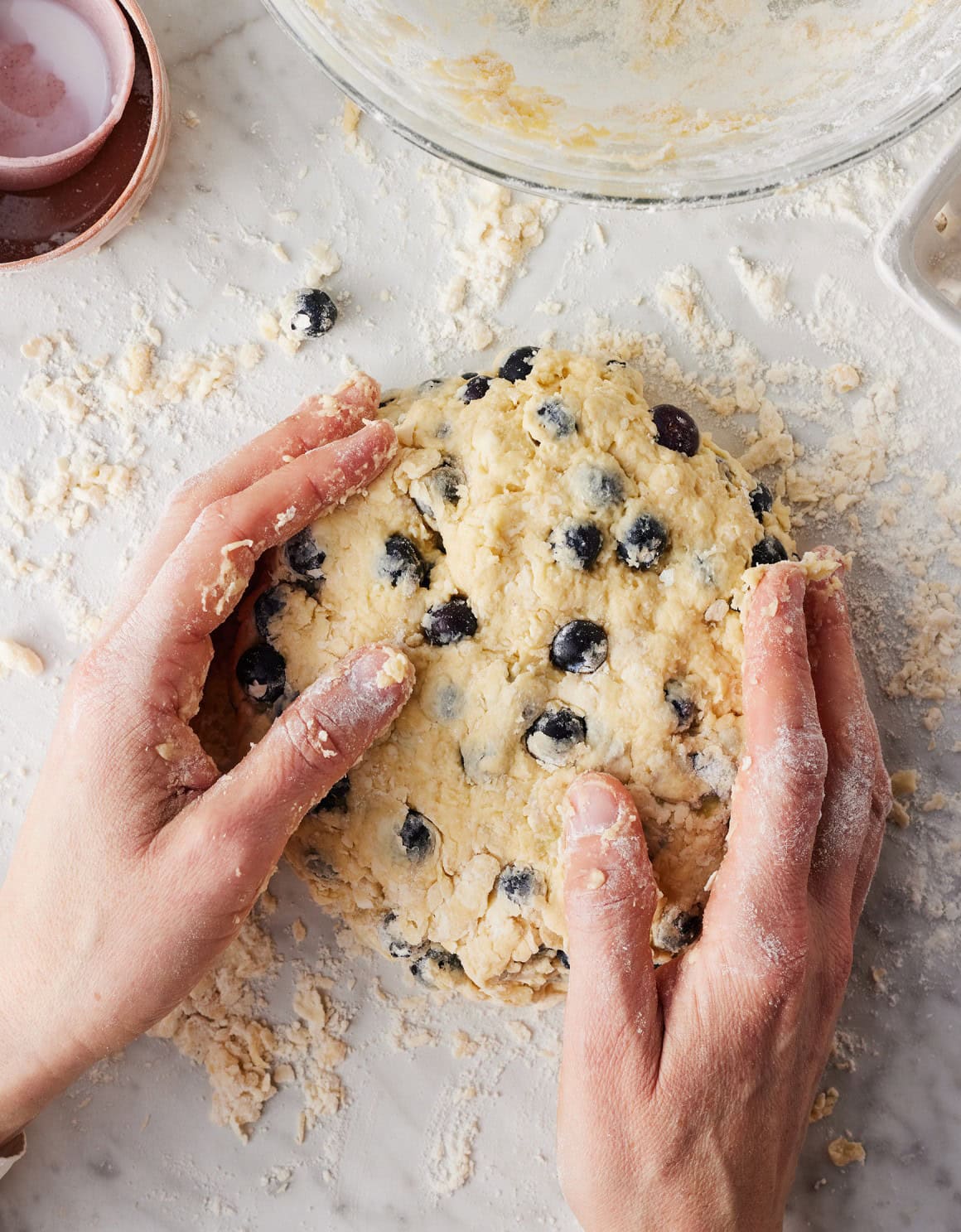
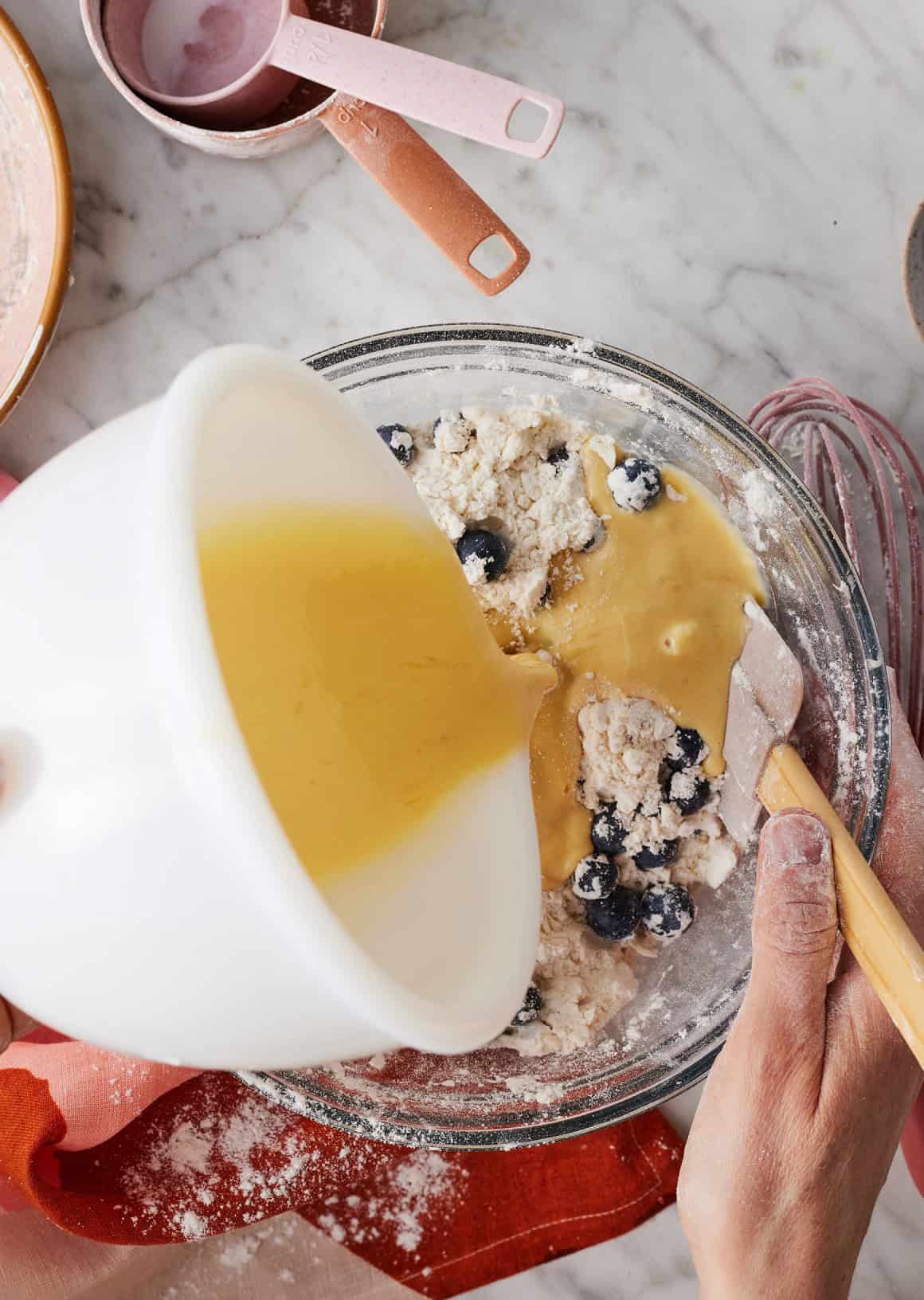
This recipe page is very clear and user-friendly, with step-by-step photos that help bakers visualize the process. It uses well-structured ingredient lists and instructions, plus offers flavor variations for customization, though the long introduction can make the actual recipe feel a bit buried.
The strength of this recipe is the wealth of reviews and user photos, which builds trust and lets readers see how the results turn out for others. The layout is clean and easy to follow, though it can feel somewhat generic compared to more personality-driven food blogs.
King Arthur's recipe benefits from technical accuracy and useful notes on substitutions, which are especially important for baking. The site design is straightforward and professional, although it is less personal and storytelling-oriented than other recipe blogs.
Spotify Design uses big bold images, clear sections, and consistent text to make a lot of content feel easy to get through. For my recipe site, I could do something similar with a strong main photo of the scones, clear breaks for ingredients and steps, and simple text styles that keep everything clean. I aslo like the fun flower elements that pop up, I could incorporate something like that.
IDEO’s page is nice because it uses cards, clean fonts, and little hover effects that make the site feel interactive without being overwhelming. I could pull from that by using card-style layouts for things like tips or related recipes, and maybe add small interactive touches to make the page feel more engaging.